



What is Augmented Reality and How Can It Help My Patients?
Carmen Knight, M.A.T., Early Childhood and Special Education
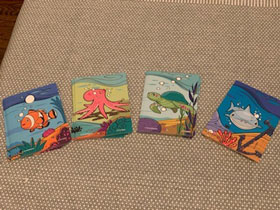
Augmented Reality is an innovative way for children to learn and experience new and different things using technology. It combines real and virtual worlds for a fun, interactive experience. As an Early Interventionist or therapist, using your phone as the piece of technology allows your patient to experience things like sea creatures in a new and exciting way during the therapy session. AR products are a great way to work on expressive and receptive communication and gross motor skills. Grab your smartphone, download the app and let the fun begin.
I want to share this great find from SmileMakers. They teamed up with SpellBound (download SpellBound AR App for free ) to offer AR cards in packages that make it easy and affordable to share with other Therapists or Early Interventionists or leave with patients. These cards put a new spin on how I work on developmental skills with my patients.
Communication:
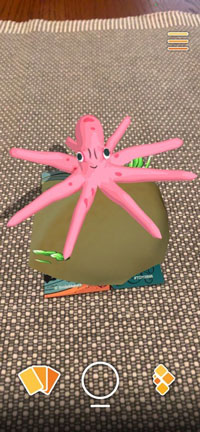
As you place the camera of your phone over these cards, the characters come to life! Children will have so much fun working on verbal and non-verbal skills as they watch the sea animals come to life on the screen. This augmented reality activity is perfect for working on expressive and receptive language. Ask your patient questions about the animals such as name, color and where they live. Watch as they provide non-verbal feedback by pointing and giggling at the pink octopus and cute turtle. Allow the child to hold the card while you ask questions and when they answer or attempt to communicate, point your device's camera at the card. When the animal comes to life it will be a great reward for the child's effort. Communication is essential in developing interpersonal relationships. Leaving a card for your patient provides continuing education as they show what they learned to family members.
Gross motor skills:
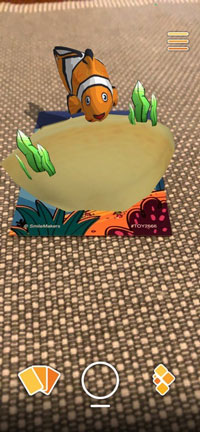
Working on gross motor skill development is also great way to utilize these augmented reality cards. Begin by placing the cards around the room and encouraging the child to crawl/cruise/walk to engage large muscles to reach each card. Giving up control, letting go and attempting to walk across the room is scary for some children. Providing the child with the augmented reality experience when you place the camera over the card will be a fun reward for their efforts. Give praise and love as they develop, then see their reward on your phone.
This fun technology will be a great addition to your toolbox as you assist patients in the development of communication, gross motor skills development and more. It is fun, innovative and very affordable and SmileMakers also has a sports theme available for those little athletes.
Continue to look to SmileMakers for new and exciting tools to keep patients excited about overall learning and development.